
Backyard Wedding Planning: What You Really Need to Know
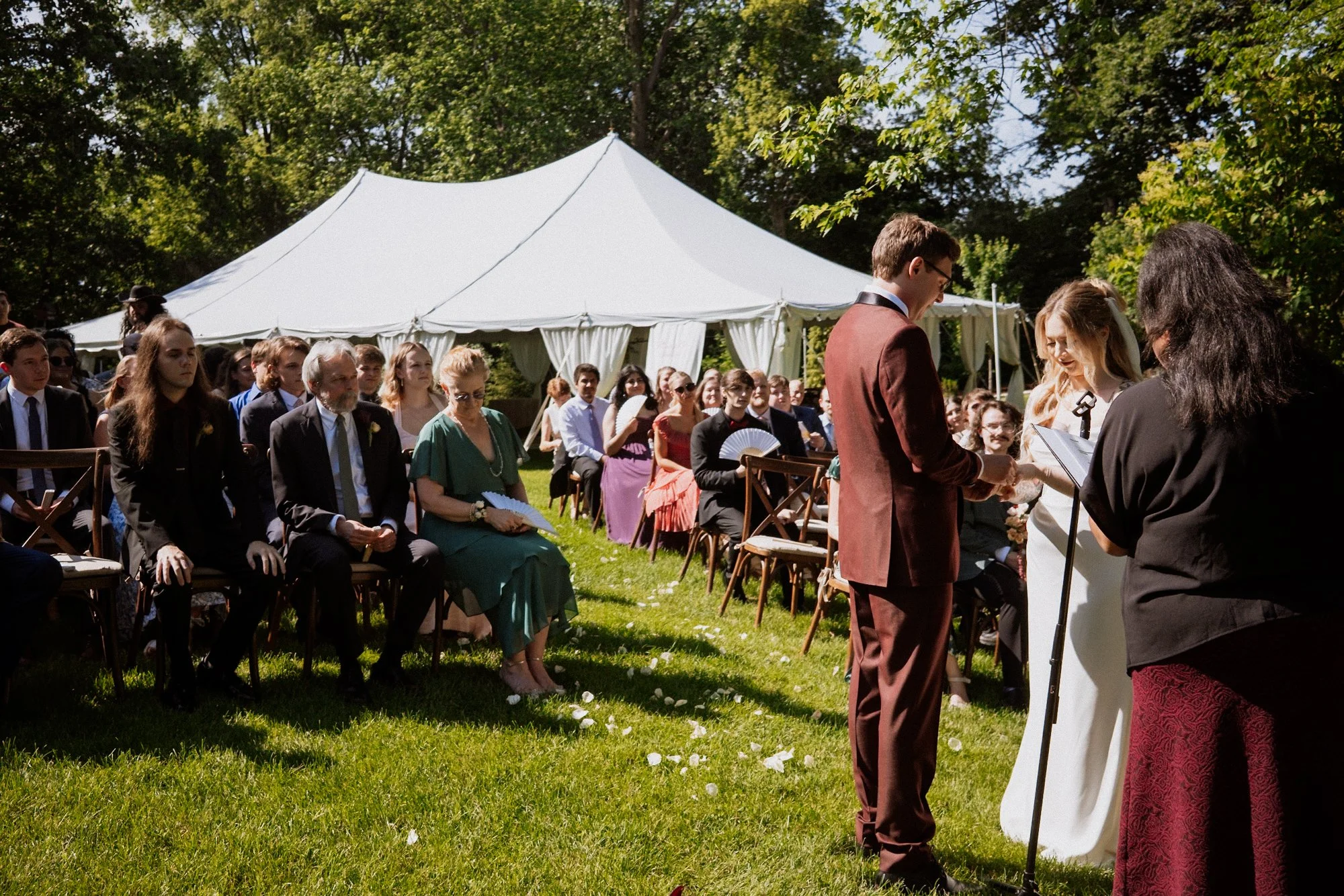
“I want to get married at my parents’ property… but where do we even begin?”
It’s one of the most common inquiries we receive, usually followed by a pause.
“Is this actually going to save us money?”
“Is this simpler than a venue?”
“Who do we even hire?”
As planners who have produced backyard weddings across multiple states, we can confidently say this: Backyard weddings can be some of the most meaningful celebrations you’ll attend. They’re layered with history, childhood memories, familiar trees, and family traditions.
But they are not simple.
They are not inherently budget-friendly.
And they absolutely require strategic planning from day one.
Start With the Space
The first step in backyard wedding planning is not florals. Not linens. Not even tent style.
It’s the land.
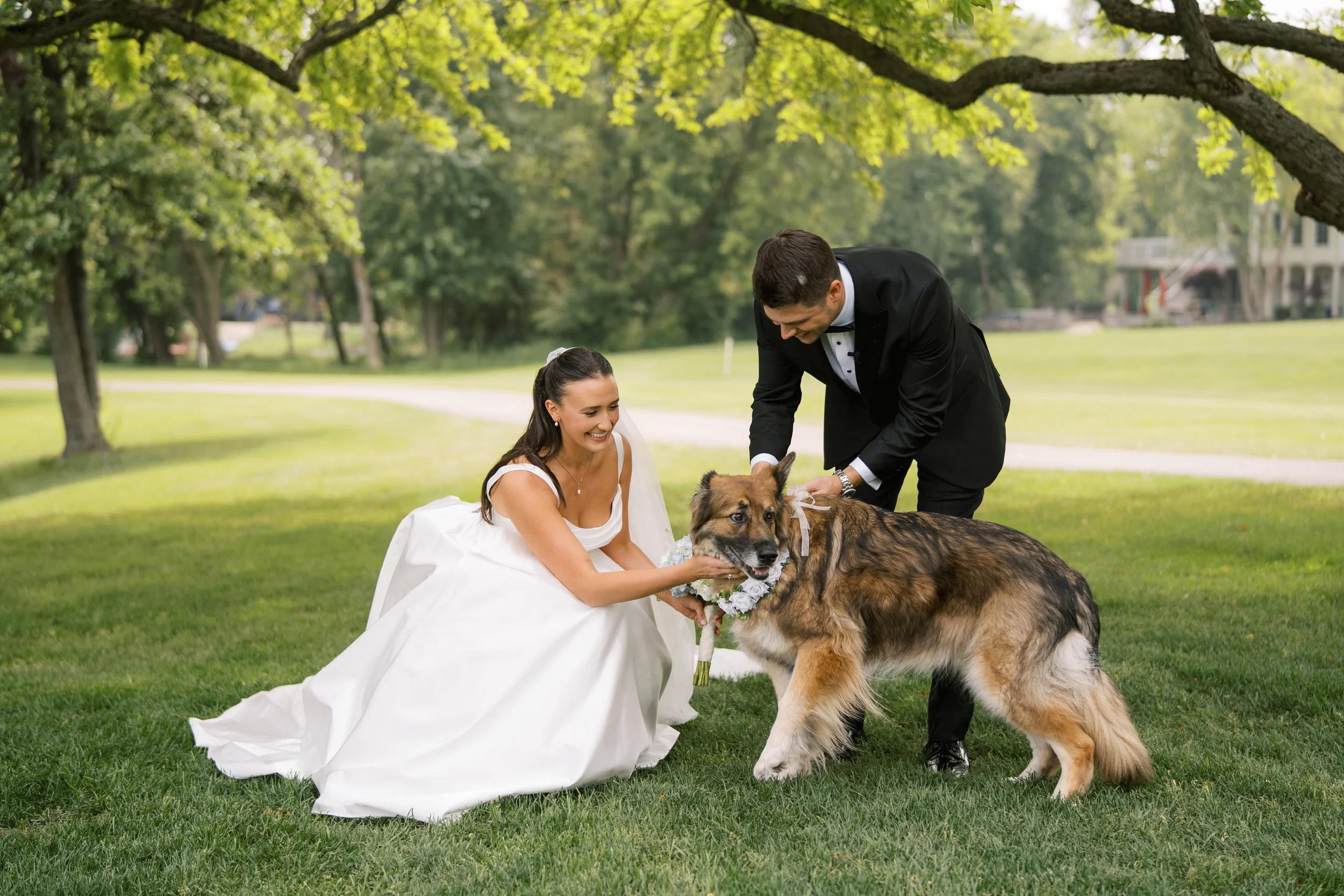
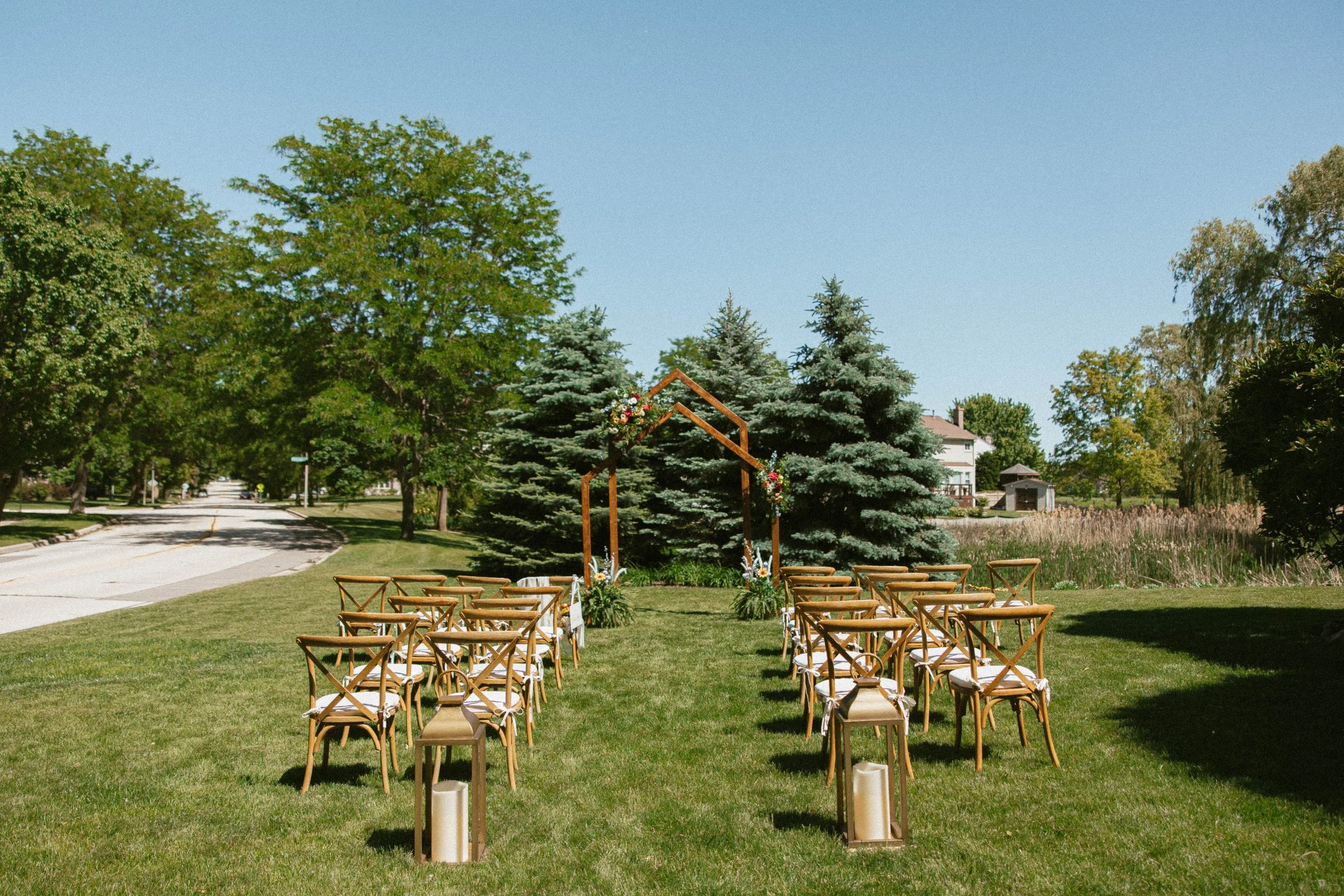
When planning a wedding at your parents’ house or family property, ask:
How much usable, flat space do we actually have?
Where will guests enter?
Where will vendors unload?
How close are neighboring homes?
How many guests are we inviting?
Guest count drives every decision that follows.
Tent size. Catering layout. Restroom needs. Power requirements. Parking flow. Budget.
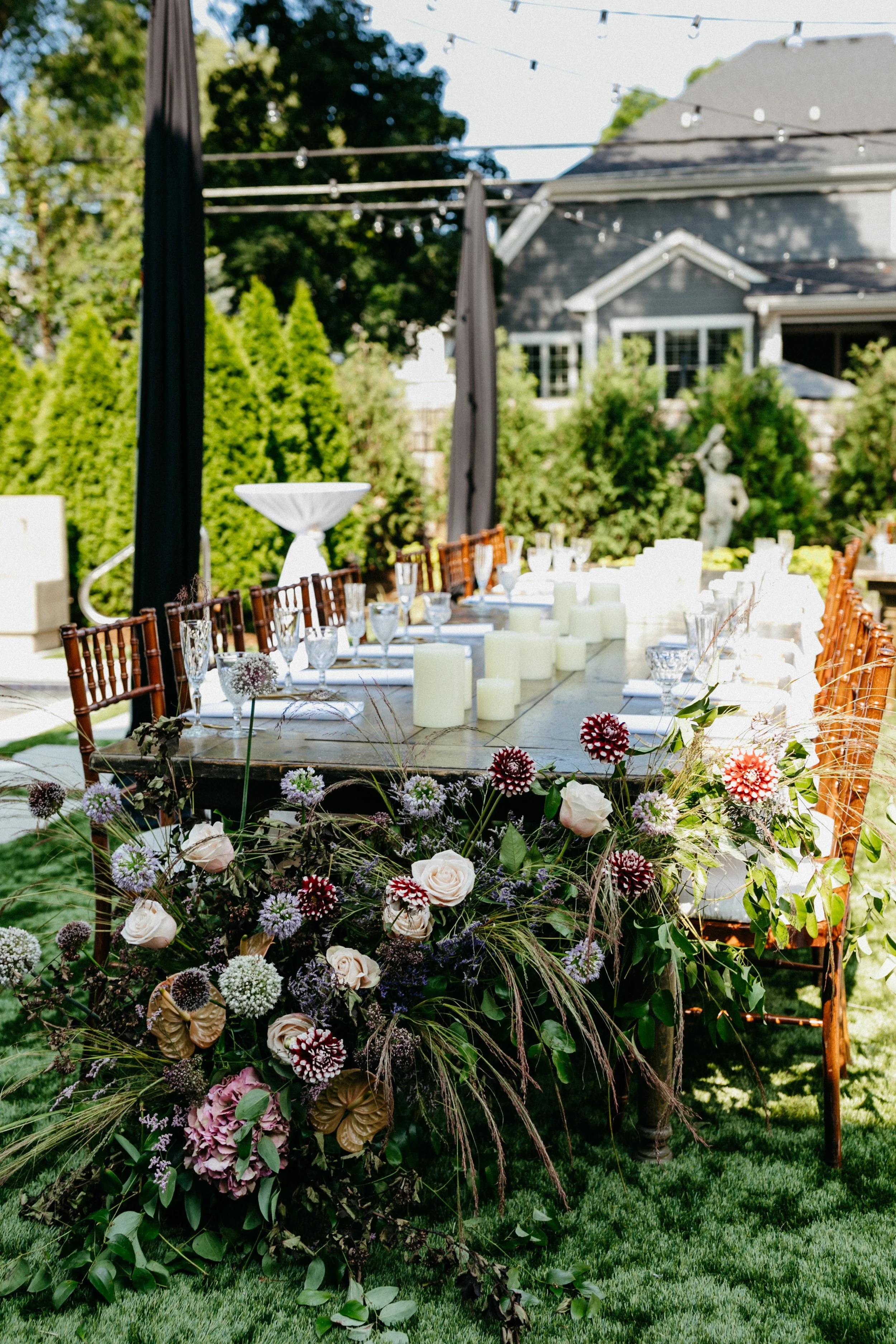
Margaret & Bill are a beautiful example of this. They hosted a backyard reception with just over 30 people. They were able to lock eyes with every guest, savor every embrace, and create a celebration that reflected their warm, joyful spirits. You can see how their backyard wedding reception unfolded here.
Once your guest count feels solid, your next call should be to a tent company for a site visit. Even if you’re not committed to having a tent, you need a professional measurement and feasibility assessment. A tent specialist will tell you what fits, how layout impacts flow, and what happens if the weather turns.
A professional measurement and feasibility assessment is foundational for planning a backyard wedding correctly.
We’ve seen couples fall in love with design concepts that didn’t fit their property. We’ve also seen the opposite: properties that seemed tight on paper but were workable once measured correctly.
This is where you listen to experts. Once rentals are ordered and vendors are booked, adjustments become expensive.
Backyard Wedding Catering


Catering is often the most underestimated part of backyard wedding logistics.
When you host at a traditional venue, there’s an invisible infrastructure of commercial kitchens, refrigeration, prep areas, dishwashing stations, and staff entrances.
At a backyard wedding, none of that exists until you create it. Every caterer operates differently. Some are comfortable building a temporary prep kitchen in a garage. Others require a dedicated tented prep space. Some need access to your refrigerator and freezer, while others bring refrigerated trucks. Staffing needs vary dramatically.
For a 125-guest backyard wedding, we’ve seen staffing estimates range from 12 people to 20. That difference impacts spacing, parking, power requirements, and cost.
This is not a place for guesswork. Have direct conversations. Ask detailed questions and understand exactly how they plan to operate on your property.
And this is one reason having a wedding planner who has navigated it before makes a measurable difference.
Backyard Wedding Permits, Neighbors & Regulations
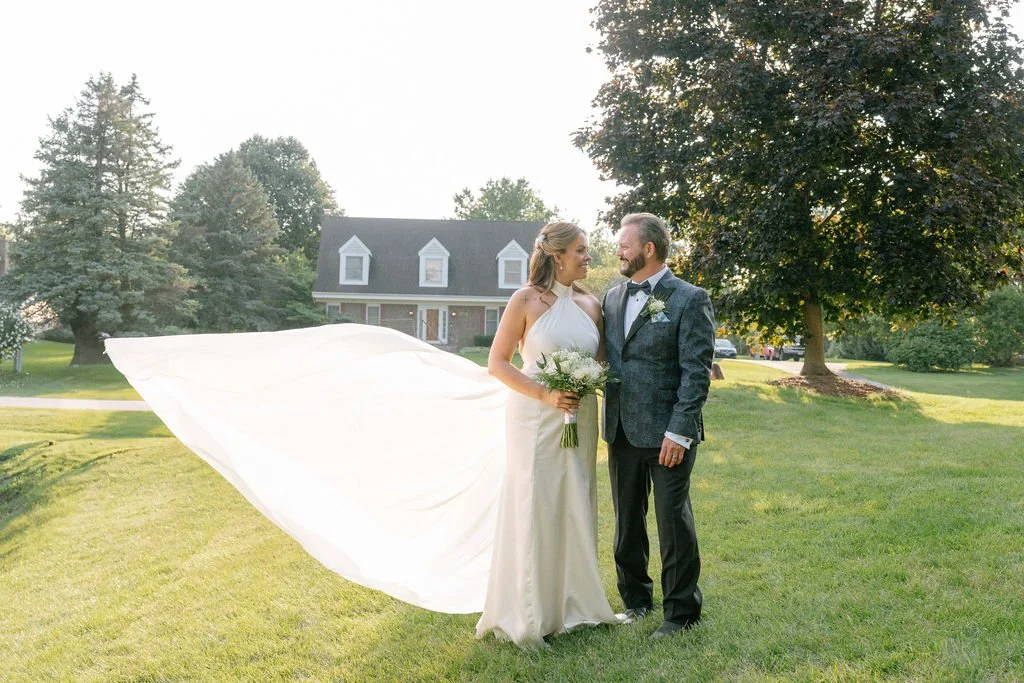
Once you know the event is physically feasible, you can move into logistics.
Every county and township handles private events differently. Some require formal event permits. Others are primarily concerned with noise ordinances and end times. The only reliable way to know is to call your local planning department directly.
And then there are your neighbors.
Backyard weddings are visible. Cars arrive. Music plays. Lights glow after dark.
In our experience, neighbors are often more concerned about parking overflow and sound curfews than paperwork itself.
Planning for Parking
Even if your family property has a large driveway or street frontage, we encourage couples not to rely on on-site guest parking.
Vendor vans, catering trucks, restroom trailers, generators, horse drawn carriages, and immediate family vehicles take up more space than most people anticipate. Add 100 guests on an unfamiliar property, and things can quickly feel chaotic.
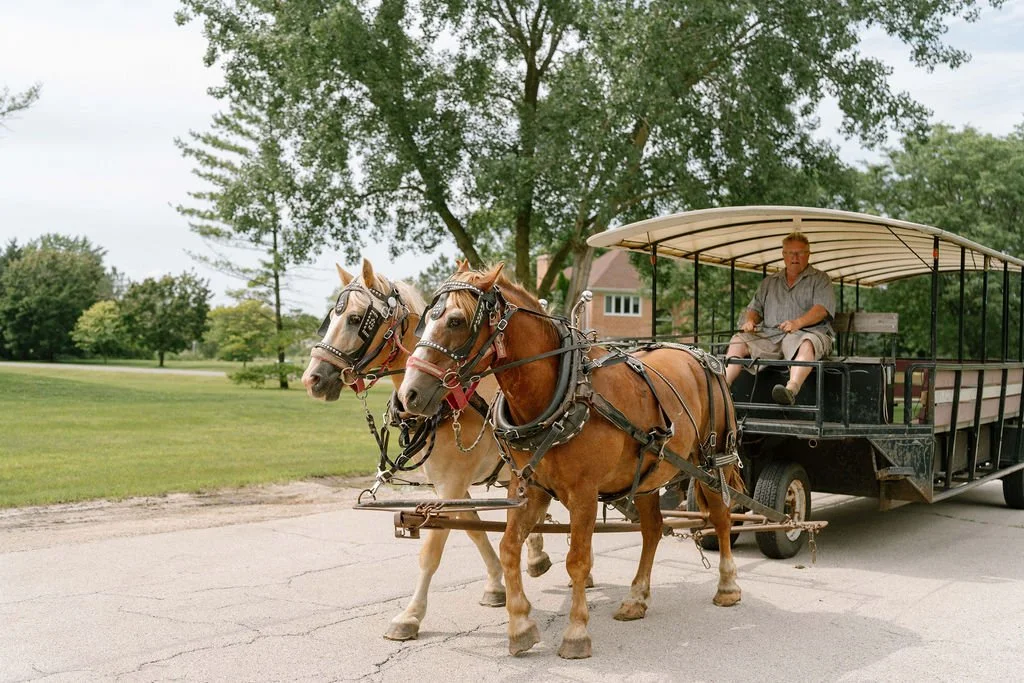
Yes, you read that right. Our couple, TJ and Galileia, invited all of their guests on horse-drawn carriage rides during their wedding. See more of their bold and personalized backyard wedding details here.
Shuttle service or designated offsite parking creates calm. It protects landscaping. It keeps timelines intact. It ensures elderly guests and those needing accessibility accommodations are prioritized.
It may feel like an extra layer, but it preserves the guest experience.
The Non-Negotiables
There are three elements we consider foundational for backyard weddings.
1. A Generator
Your home’s electrical system is not designed to power DJs, amplified sound, catering ovens, bar refrigeration, lighting, and more at once. A power outage during dinner or speeches is not something you want to troubleshoot in real time.
2. Luxury Restroom Trailers
Even with a smaller guest count, your plumbing cannot sustain dozens of guests flushing for hours, especially with alcohol involved. Modern restroom trailers are clean, ventilated, well-lit, and comfortable. Typical backyard wedding restroom cost: $2,000–$2,700, depending on size and location. They protect your home and your guests’ experience.
3. Climate Control
Clear-top tents are beautiful and surprisingly warm. We plan for fans, portable AC, or heaters, depending on the season.
Why Full-Service Planning Matters More Here
Backyard weddings are emotionally intimate. They feel personal in a way that traditional venues sometimes don’t.
But logistically, they are layered productions.
A day-of coordinator steps in to execute a plan. A full-service planner builds that plan from the ground up.
That includes:

Designs the floor plan from scratch
Coordinates tent and rental logistics
Manages vendor load-in and load-out
Oversees permitting
Builds contingency plans
Creates the full timeline
Brings a staffed team to manage setup and breakdown
We are not just styling a wedding. We are building a temporary venue and creating beauty within it. That requires strategic oversight months in advance.
Backyard Wedding Cost: Is It Cheaper?
So let’s circle back to the question everyone asks: Does a backyard wedding save money?
Usually, no.
While you may not pay a traditional venue rental fee, you are renting nearly everything else: tenting, flooring, lighting, restrooms, power, tables, chairs, bars, and staging.
From recent 2024–2025 weddings, tent and rental investments alone ranged from roughly $3,000 to over $11,000, depending on scale and design. Catering, photography, entertainment, and florals followed similar pricing structures to traditional venues.
Backyard weddings are rarely a budget shortcut. They are the custom-built option.
So… Is A Backyard Wedding Worth It?

For the right couple, absolutely.
Backyard weddings carry emotional weight. They feel grounded and intentional. Personal in a way traditional venues sometimes don’t. Guests remember them because they feel different.
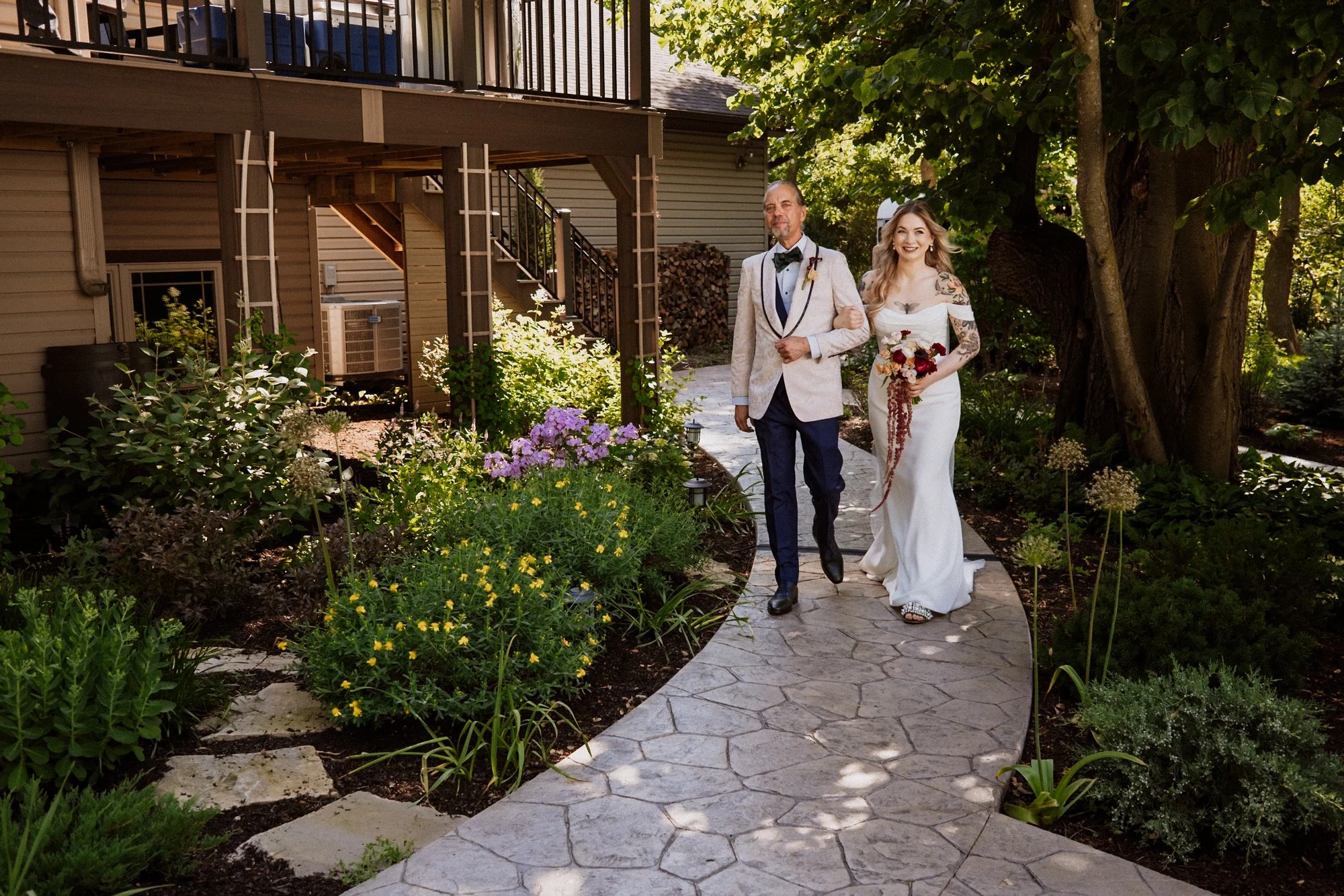
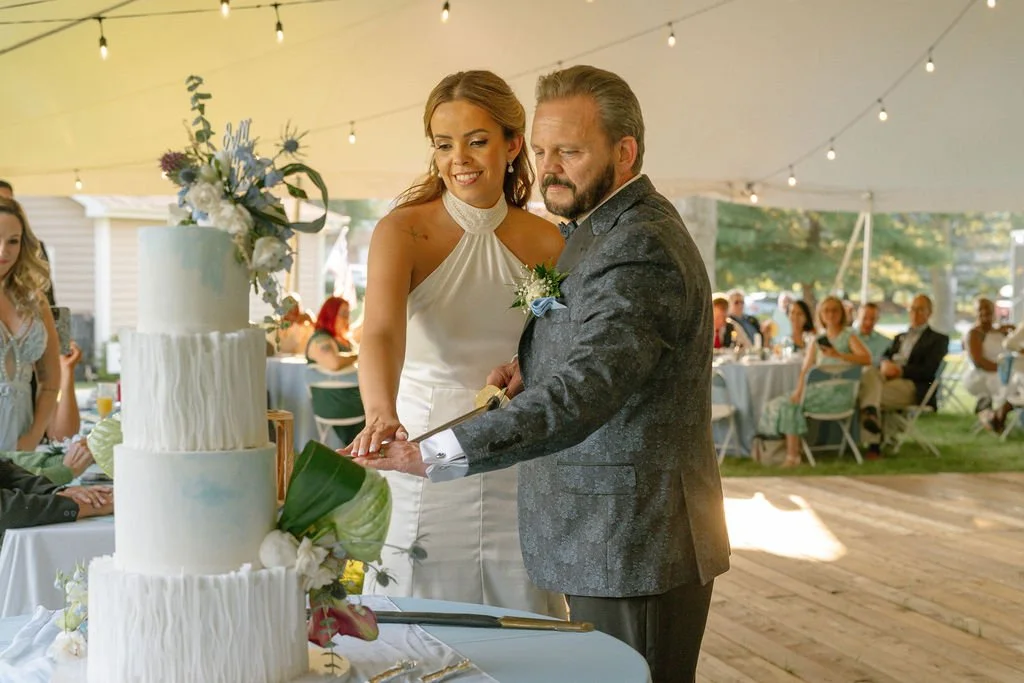
When done thoughtfully, it feels effortless. But the effort actually happens long before the wedding day.
If you’re dreaming of getting married on family property, this is exactly where professional guidance matters most.
At Heirloom Event Company, our full-service wedding planning is designed for layered, custom celebrations like this. If you’re ready to plan your backyard wedding the right way, start here.
Let’s find the right setting for your celebration.
Heirloom Event Company helps couples thoughtfully plan and design celebrations rooted in their vision, priorities, and guest experience. Whether you’re choosing the perfect venue or bringing all the details together, we’d love to help.
Get in touch →